How to Choose a Design Agency: 7 Checks Before You Sign
How to choose a design agency is the question we hear at almost every first meeting. This is the checklist we would use ourselves, and it is the same one clients run on us, whether they sit across the table in Dubai or brief us on a video call from another continent.
It covers branding and graphic design, digital products and interiors, and it works for a studio down the road as well as one in another country. Some of it will feel obvious. Most of choosing well comes down to asking every studio on your shortlist the same questions and comparing the answers side by side.
Table of Contents
Start with what you actually need designed
The first step in choosing a design agency happens before any call. When the brief is vague, every portfolio looks relevant and the decision falls back on taste or price. Write one paragraph that says what you are building, who it is for and what has to be true when the project ends. Then decide which kind of design it needs:
- Brand identity: logo, colour, typography and the rules that hold them together. The right first step for a new business or a rebrand.
- UI/UX and web: apps, dashboards and websites. You need a team that designs flows and states, not only attractive screens.
- Interior design and architecture: offices, shops, restaurants and homes. You need technical drawings and site knowledge, not only renders.
- Marketing and social media design: campaigns and content. Speed and consistency matter more here than a single big concept.
If the project crosses disciplines, for example a restaurant that needs an interior, an identity and a menu, one studio keeps the visual language consistent and saves you from managing three suppliers. If you need one deep specialism, a specialist may be the better choice. Either can be right, as long as you decide which one you need before comparing studios.

Have a project like this in mind? Message Kenania directly on WhatsApp.
Chat on WhatsAppHow to choose a design agency: 7 checks that work
Run these seven checks on every studio you are considering. None of them needs special knowledge, and together they tell you far more than a pitch deck about whether a studio fits your project.
1. Read the portfolio for thinking, not polish
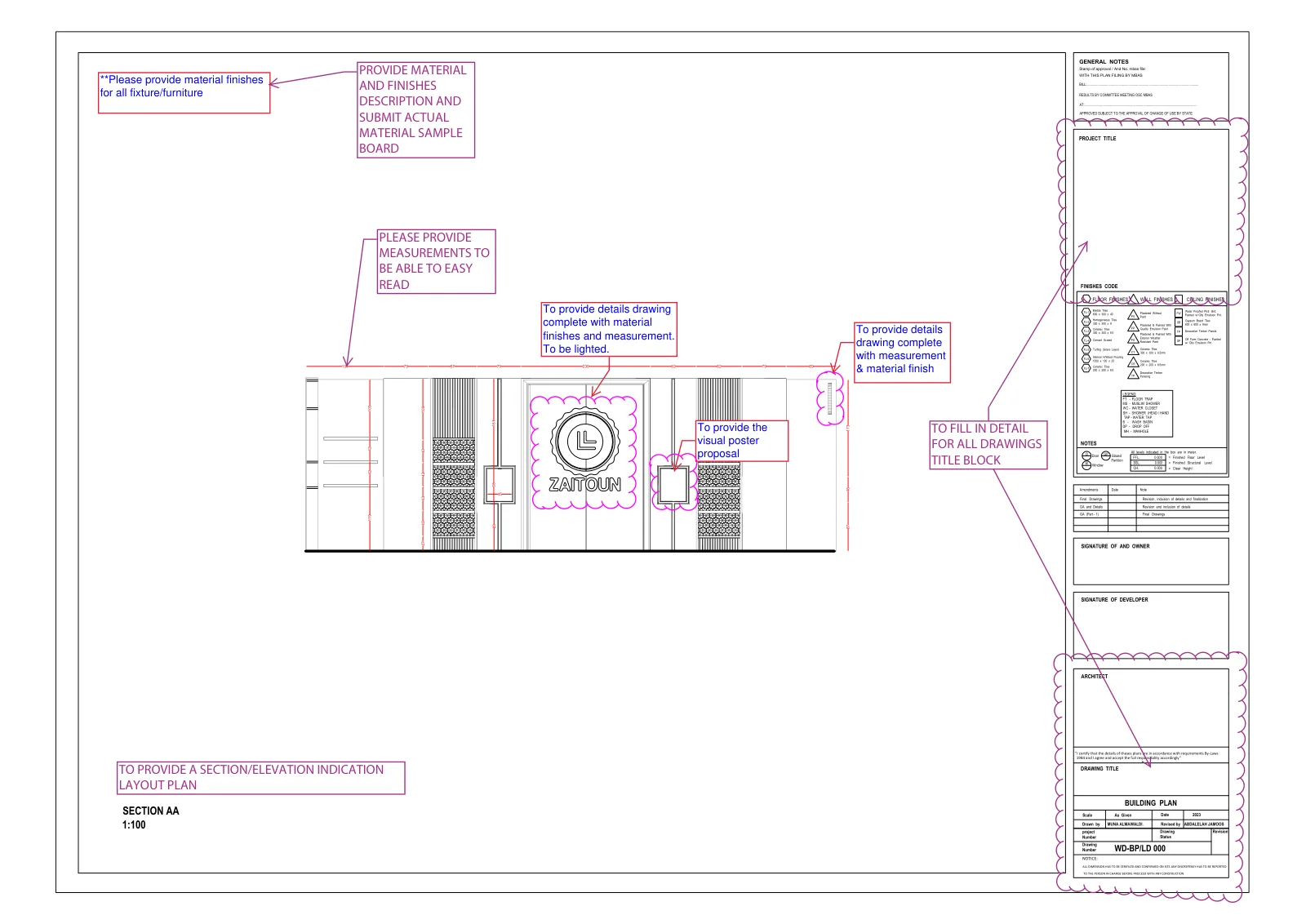
Finished renders and mockups are easy to make beautiful. Ask for the work in between: early sketches, the options that were rejected, the drawings or wireframes behind the final images. A studio that can explain why it chose one direction over another will make sound decisions on your project too.
Then check that the work is really theirs. Ask which parts of a project the studio produced itself and which were done by others, and ask for one case where something went wrong and how it was handled. Honest answers here are worth more than any award badge.
2. Look for experience in your sector, or a method that transfers
A studio that has already worked in your sector knows the audience, the competitors and the rules. For an interior that can mean authority approvals and fit-out regulations; for an app, payment flows and data privacy; for a brand, the visual codes customers expect in that category. That knowledge shortens the project and sharpens the result.
If they have not worked in your sector, ask how they would learn it. A clear research step, with interviews, site visits or a competitor review, is a good sign. “We’ll figure it out as we go” is not.
3. Ask them to walk you through their process
Good studios work in stages: discovery and a written brief, concept options, development, revisions and final delivery. Ask what you receive at the end of each stage and when you are expected to give feedback. A clear process means fewer surprises, and it is a good predictor of whether a project will finish on time and on budget.
4. Find out who will actually do the work
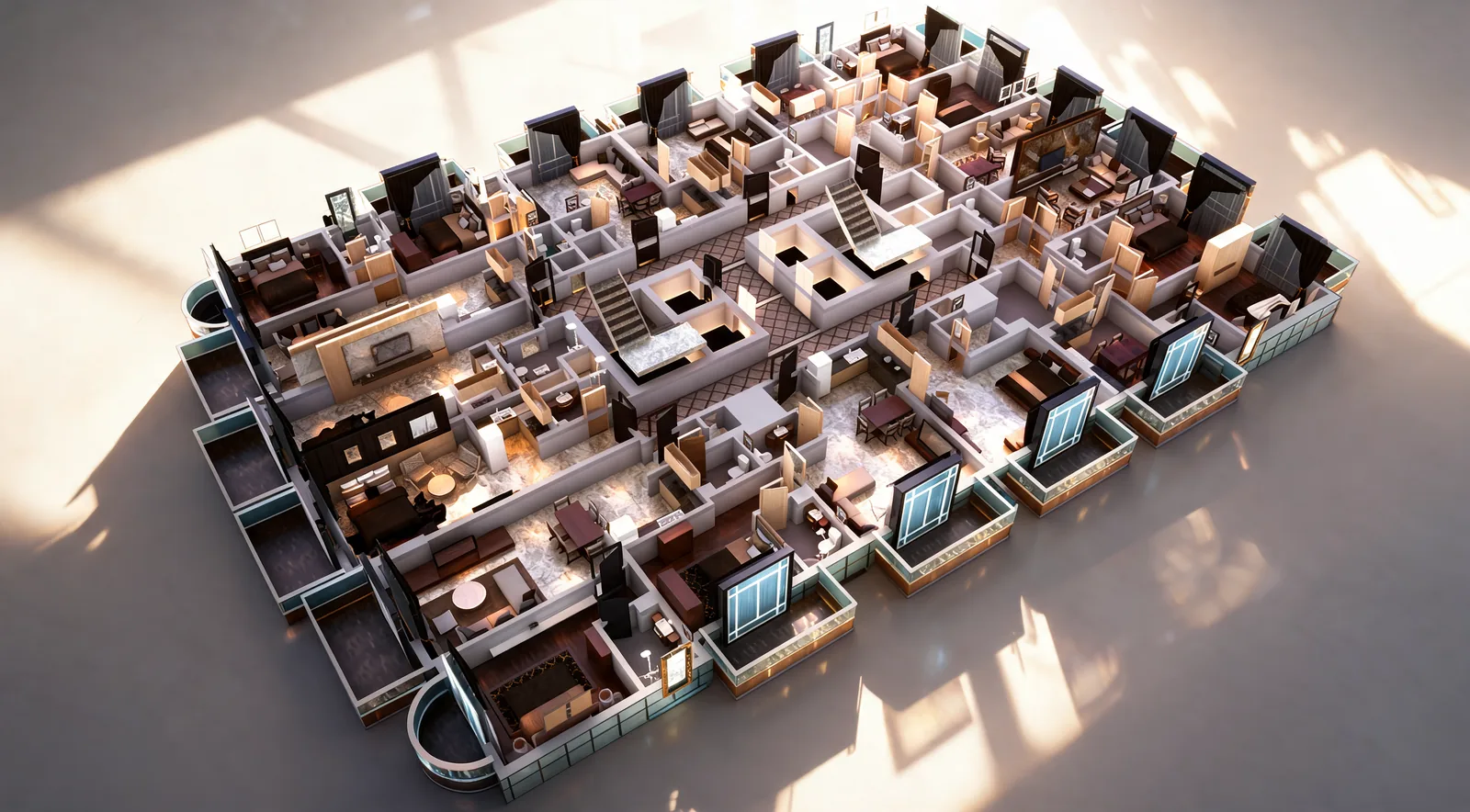
The person who wins the pitch is not always the person who designs. Ask who will lead your project, who will produce the drawings or screens, and who you will speak to from week to week. In practice you are choosing a team, so meet that team before you sign anything.
5. Understand how the fee is built
Price on its own is a poor way to decide. A cheap identity that misrepresents the business costs more to fix later than it saved at the start. Ask how the fee is calculated instead. Per-project or retainer pricing with a defined number of revision rounds gives you budget certainty; open hourly billing on creative work tends to reward slowness.
Whatever the model, the deliverables and file formats should be written down before work begins. For interiors, also ask whether the design fee is separate from build costs and how changes during construction are charged. Our guide to what actually drives interior design cost explains how those numbers are usually split.
6. Test communication before you commit
Watch how quickly and clearly a studio answers your first emails. Do they ask about your business and your customers, or only about the budget? The way they handle the sales conversation is usually the way they will handle the project.
Reviews on Google, Clutch or Behance show how a studio behaves under deadline pressure. Read the comments about communication, missed dates and whether clients felt understood, rather than looking only at the star rating.
7. Confirm who owns the files at the end
Agree in writing who owns the final designs, which source files you receive (AI, Figma, DWG or layered PSD) and what happens to concepts that were produced but not chosen. A branding project should end with files you can use without going back to the studio for every banner. We list what that handover should include in what a brand identity package should contain.
Choosing a remote design studio or graphic design company
Choosing a design agency in another city or country adds one twist. Hiring a studio far away removes the geography problem and introduces a different one: you cannot judge it by walking into its office. Reliability then depends on process, not distance. A remote team with a written brief, scheduled review calls and clearly versioned files is more dependable than a local one working from scattered chat messages.
When the studio is not in the same room, look for these habits:
- A fixed review rhythm: a call at the end of each stage, with written notes sent afterwards
- One shared place for files and comments, with clear version names
- Working hours that overlap with yours for at least part of the day
- Presentations recorded or written up, so anyone who missed the call can catch up
This holds for graphic design as much as for interiors. Logos, packaging and social media content are produced remotely every day, and the checks that matter most at a distance are portfolio depth, real reviews, a visible process, a clear pricing model and sector fit. For interior projects the drawings travel the same way; we describe a typical week in how remote interior design actually works.
Logo and identity work from our studio:


Questions to ask before you hire
Put the same questions to every studio on your shortlist and keep the answers in one place:
- Have you worked on projects like mine, and can I see one from brief to final files?
- Who will lead the project, and who will do the day-to-day design work?
- How many revision rounds are included, and what counts as a revision?
- Which files and formats do I receive at the end?
- Who owns the final designs and the source files?
- How do you charge for changes once the project is under way?
- What is a realistic timeline for a project of this size, and what usually delays it?
- What support do you offer after delivery?
Red flags and common mistakes
Whichever method you use, watch for these signs. Most disappointing projects show at least one of them before the contract is signed:
- Choosing on price alone, then paying again to fix the result
- A portfolio of finished images with no story behind any of them
- No written brief or scope before work starts
- A promise of unlimited revisions, which usually means the process is not defined
- Nobody can tell you who will actually work on your project
- File ownership left vague until the final invoice
- Judging every studio on the wrong criteria because the discipline was never decided
How to start once you have chosen
- Write your goals, audience and constraints on one page.
- Share what you already have: plans, existing brand files and competitors you admire.
- Agree scope, stages, deliverables and fee in writing.
- Review the first concepts against the brief, not against personal taste.
- Refine, approve and collect the final files before launch.
Questions about cost, timing or the next step? Ask Kenania on WhatsApp.
Chat on WhatsAppHow to compare two proposals fairly
Two proposals for the same project can differ in price by a wide margin, and the gap rarely means one studio is greedy and the other generous. Usually they have priced different projects. Before you compare the totals, line the proposals up against each other on the same points:
- Scope: is every room, screen or brand item you need actually listed in both?
- Deliverables: which drawings, files and formats does each one promise at the end?
- Revisions: how many rounds are included, and what happens after the last one?
- Team: who will work on the project in each case, and how senior are they?
- Timeline: how many weeks, broken into which stages, with which review points?
- Payment: how is the fee split across stages, and what is excluded?
The cheapest proposal is often the one that leaves the most out. If a line is missing, ask the studio to price it rather than assuming it is included. A good studio will tell you plainly what it does not do. That honesty is a good sign of a studio you can work with for years.
Where Kenania fits
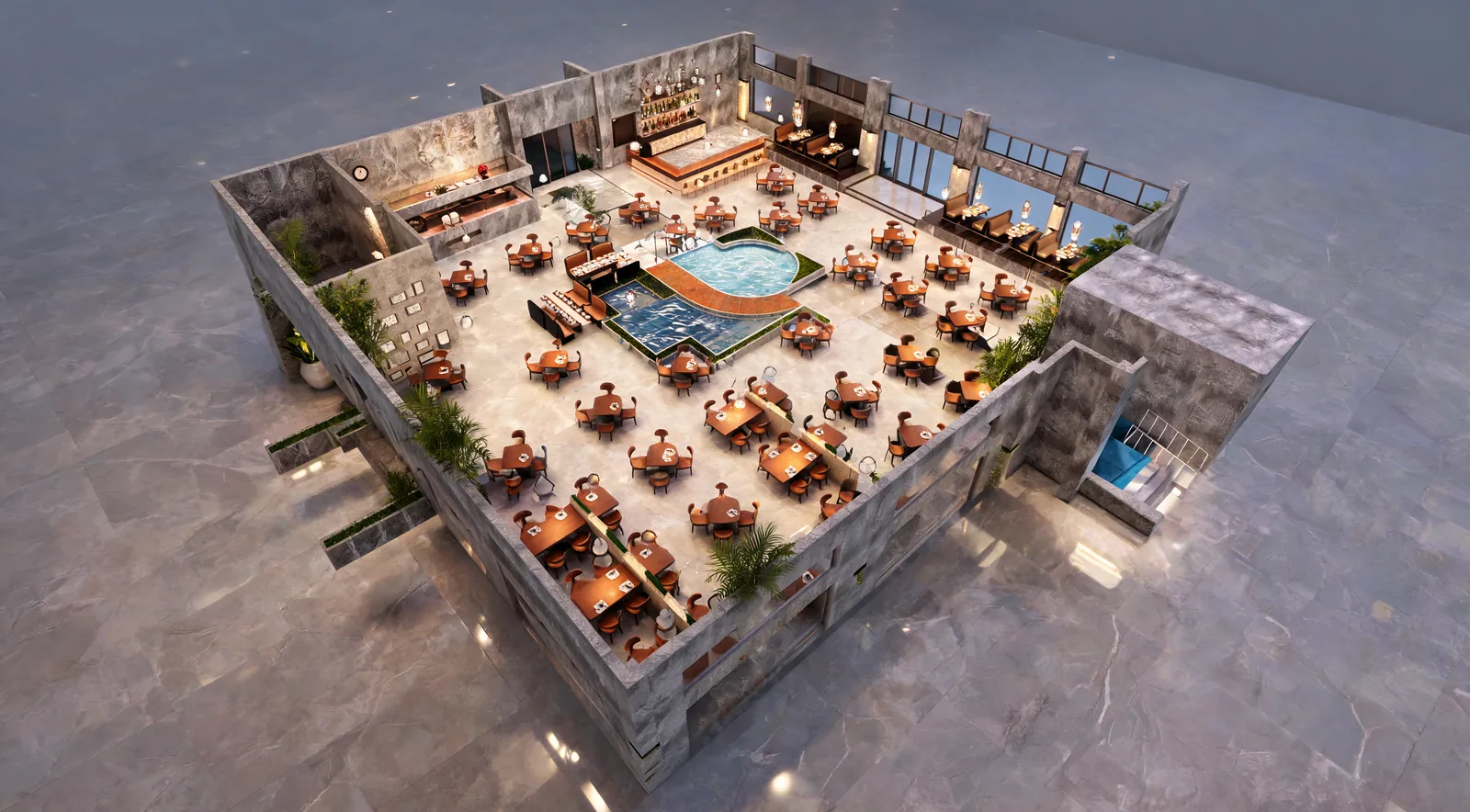
Kenania Inventive Arts is an international design studio working with clients on site and remotely worldwide. Our teams cover architecture and interior design, brand identity and creative design, UI/UX and digital products, and marketing design, so a project that crosses disciplines stays with one team.
We have delivered more than 200 projects across 15+ sectors. Run the checklist above on us as well: ask to see the drawings behind any project in our portfolio, or send us a short brief and we will reply within 24 hours.
How to choose a design agency: frequently asked questions
How do I choose a design agency for my business?
Decide which discipline you need first: branding, UI/UX, interiors or marketing design. Then compare studios on portfolio depth, relevant experience, a clear process, the actual team, a transparent fee and written file ownership. Meet the people who will do the work before you sign.
Is a remote design studio as reliable as a local one?
It depends on process, not distance. A studio with a written brief stage, scheduled review calls and versioned files is more reliable than a local one working from chat messages. Ask to see how a past project was run, not just how it looked.
How should design work be priced?
Per project or per retainer, with a defined number of revision rounds. Hourly billing on creative work rewards slowness and gives you no budget certainty. Whatever the model, the list of deliverables and file formats should be written down before anything starts.
How can I check that a portfolio is really theirs?
Ask which parts of a project the studio produced itself, ask for one case where something went wrong, and ask to see the sketches or drawings behind the final images. Studios that did the work can talk about it in detail.
Can one agency handle branding, UI/UX and interior design?
Yes, if it has real specialists in each discipline. One team keeps the visual language consistent across the space, the brand and the digital product, and you manage one schedule instead of three.
What should I prepare before briefing an agency?
One page with your goals, audience, budget range and deadline; any existing plans or brand files; and a few examples you like and dislike, with a sentence on why. A clear brief gets you comparable proposals.
Related guides
- How remote interior design actually works: what a remote design process looks like week to week
- Interior design cost: what actually drives the number: how design fees and build costs are split
- What a brand identity package should contain: what you should receive at the end of a branding project
- All Kenania services: architecture, interiors, branding, UI/UX and marketing
Ready to start? Send Kenania a photo, a plan or a short brief on WhatsApp.
Chat on WhatsApp