Interior Design Trends 2026: What Actually Changes a Space
Most lists of interior design trends 2026 are written for mood boards. This one is written for briefs — every shift below is one we have had to design around this year on commercial fit-outs, hospitality interiors and residential projects.
Most trend lists are written for mood boards. This one is written for briefs. Below are the shifts we have actually had to design around over the past year at Kenania — on commercial fit-outs, hospitality interiors and residential work across the Gulf and Southeast Asia — and what each one costs you if you ignore it.
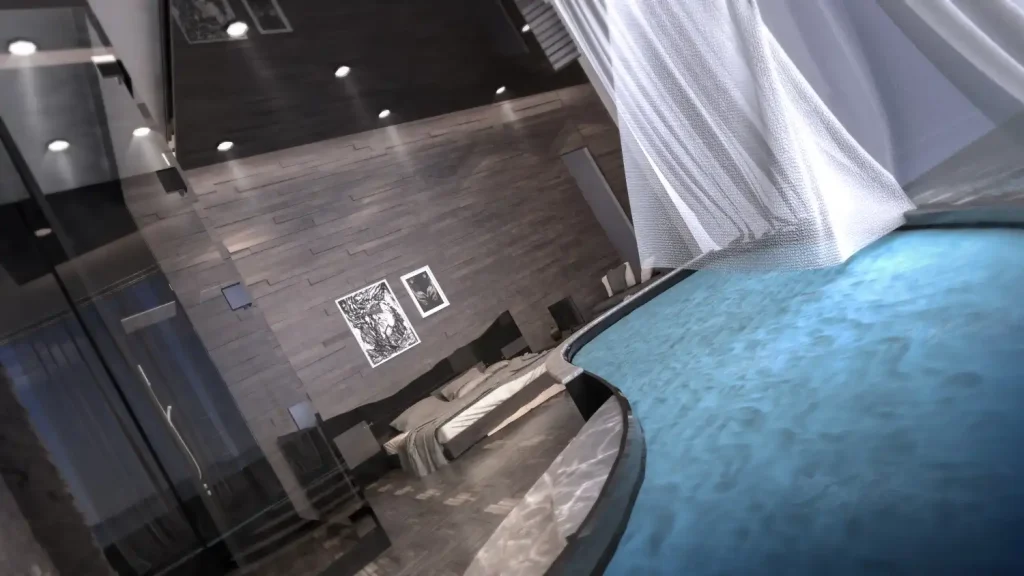
Table of Contents
1. Quiet materials are beating statement materials
The high-contrast marble slab as a hero surface has cooled off. What is replacing it is not cheaper — it is calmer: honed limestone, plaster with a visible hand, unfilled travertine, timber with the grain left legible. The reason is practical rather than fashionable. Heavily veined stone dates fast and photographs loudly, and clients who refurbish on a five to seven year cycle have noticed.
If you are specifying now, the useful test is whether a surface still reads well when the styling is removed. Quiet materials pass that test. They also tolerate being repaired, which veined slabs generally do not.
Have a project like this in mind? Message Kenania directly on WhatsApp.
Chat on WhatsApp2. Lighting is being designed as structure, not decoration
The clearest change in our own drawings: lighting layouts now get resolved at concept stage, alongside circulation, instead of being added once the finishes are chosen. That means fewer downlights doing everything and more separation of duties — a wash for the walls, a low pool for the tables, a single accent that gives the room a focal point.
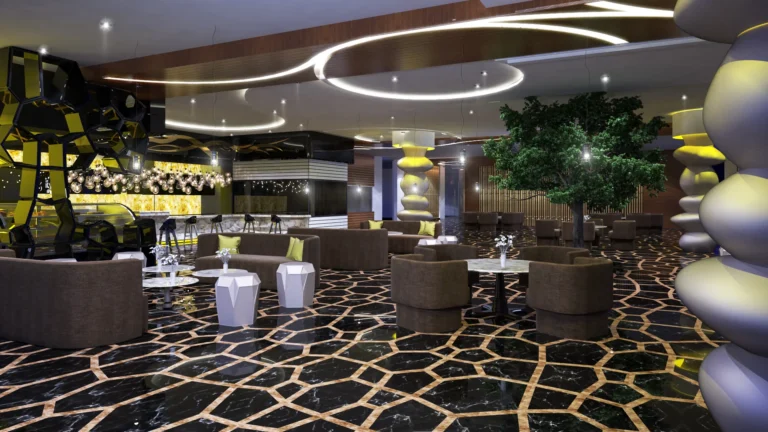
It matters commercially. In the Royal Bar & Lounge project in Kuala Lumpur, the seating plan and the lighting plan were drawn together, because a bar that is lit evenly has no intimate seats and therefore no premium seats. Lighting decided the revenue map of the room before a single finish was picked.
3. Rooms are expected to change use during the day
Hybrid work pushed this into homes and offices at the same time. A hotel lobby is a co-working floor until 4pm. A residential corner is a video-call background in the morning and nothing in the evening. A reception area is a waiting room, a meeting point and a brand statement depending on the hour.
Designing for this is mostly about power, acoustics and sightlines rather than furniture that folds. The three things that actually make a dual-use space work:
- Power and data where people sit, not where the walls are convenient.
- One soft surface per zone — rug, curtain, upholstered back — so speech does not carry.
- A sightline that lets someone face away from circulation without facing a blank wall.
4. Lead times are now a design constraint
Specifying an imported finish with a sixteen-week lead time is a design decision, not a procurement detail. The trend is toward regional sourcing — not for sustainability copy, but because a project that slips a quarter costs the client more than the finish saved.
We now mark every long-lead item in the concept package and carry a named local alternative for each. It has changed what we specify. It has also, unexpectedly, improved the work: locally available stone and timber tend to suit the local light better than the catalogue equivalent.
5. Colour is moving warmer and darker
Cool grey is finished as a base. What replaced it is a warm neutral field — clay, oat, mushroom, warm off-white — with saturation concentrated in one or two deliberate places rather than spread across an accent wall. Deep green, oxblood and burnt amber are doing that work.
Practical note for anyone briefing a designer: warm neutrals are far more sensitive to artificial light temperature than cool greys are. A clay wall under 4000K reads dirty. This is exactly why point two matters — the colour decision and the lighting decision are the same decision.
6. Wellness claims are getting measurable
“Biophilic” as a mood is over. What clients now ask for is specific and checkable: daylight factor, acoustic separation between zones, air changes, low-VOC certification on finishes, a real plant strategy with a maintenance contract attached.
This is a good change. It moves wellness out of the render and into the specification, where it can be verified — and where it survives the value-engineering meeting.
7. Remote delivery stopped being a compromise
This one is close to home. A full interior package — concept, material board, technical drawings, site coordination — now moves between a designer and a site in different countries without loss. Verified site surveys, shared 3D models and scheduled walkthroughs carry the work that used to require presence.
We have delivered projects in Dubai, Kuala Lumpur, Jeddah and Damascus this way. The constraint is no longer distance; it is the quality of the survey and the discipline of the drawing set.
Questions about cost, timing or the next step? Ask Kenania on WhatsApp.
Chat on WhatsAppInterior Design Trends 2026: What This Means for Your Brief
If you take one thing from the list: decide lighting and colour together, and decide both before you fall in love with a finish. Almost every expensive change we see late in a project traces back to those three decisions being made in the wrong order.
If you are planning a commercial or residential interior and want the material, lighting and drawing set handled as one package, tell us about the space — we work remotely and reply within a day.
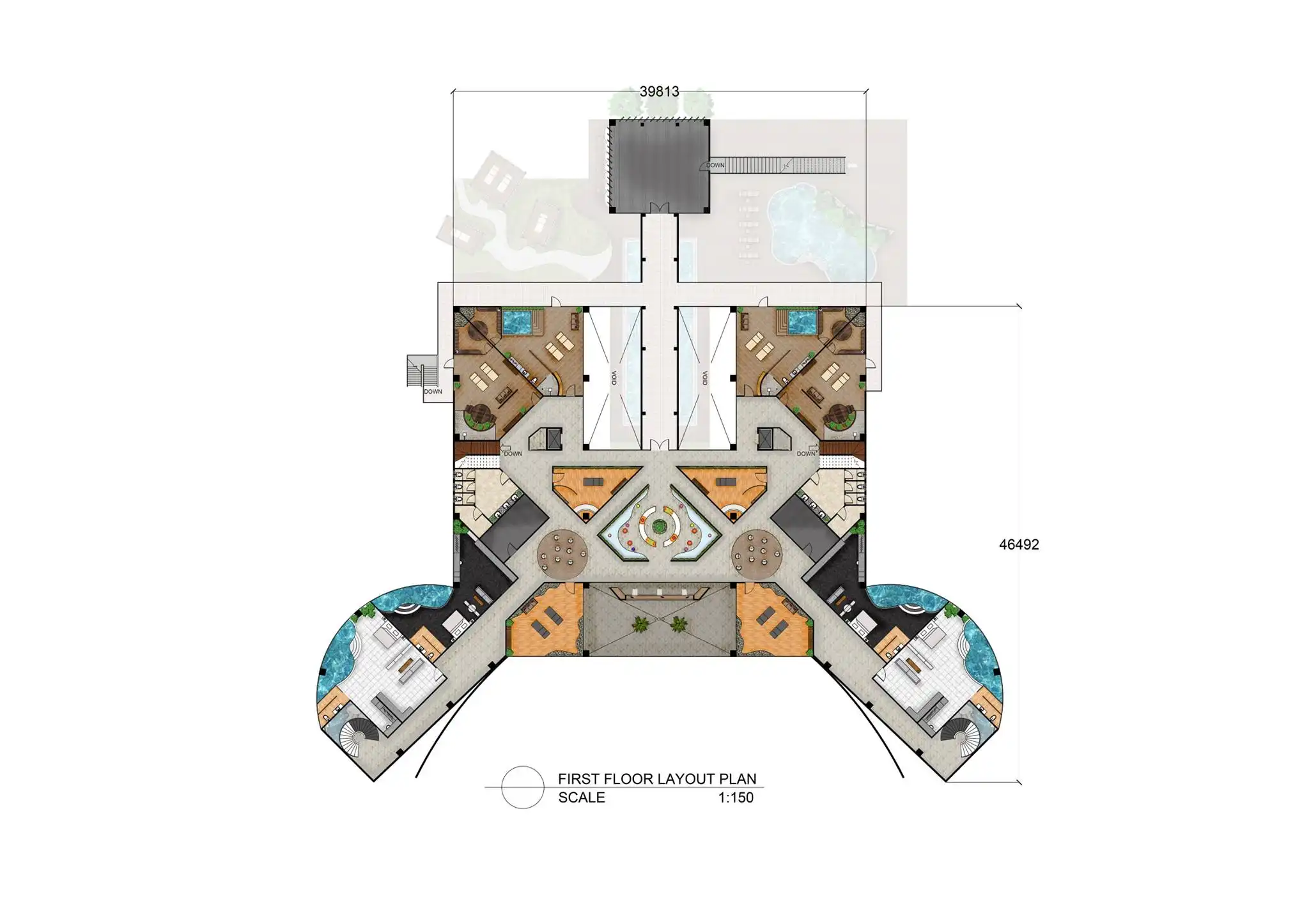
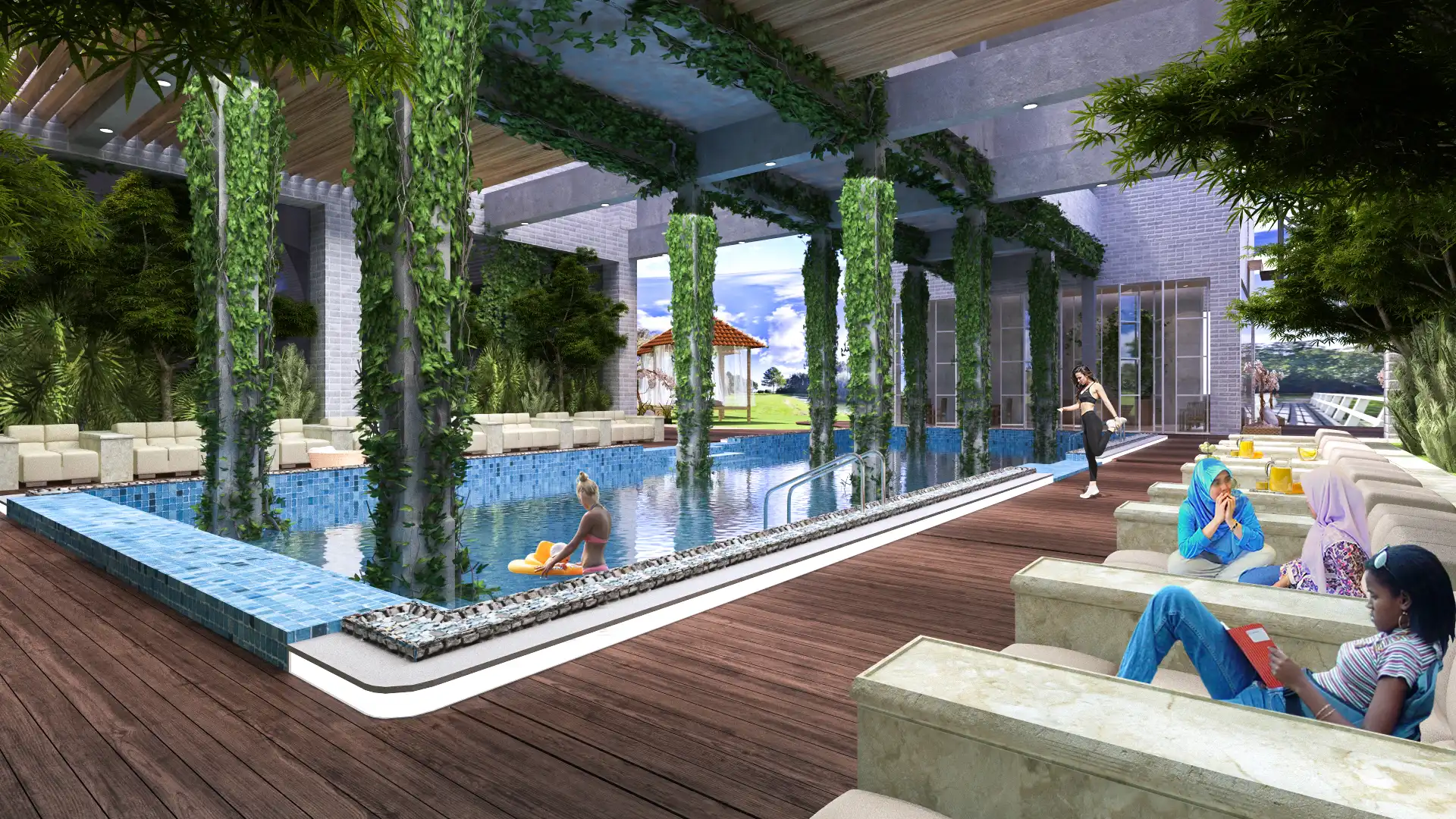
These Trends in a Built Project — Kenania Spa, Cyberjaya
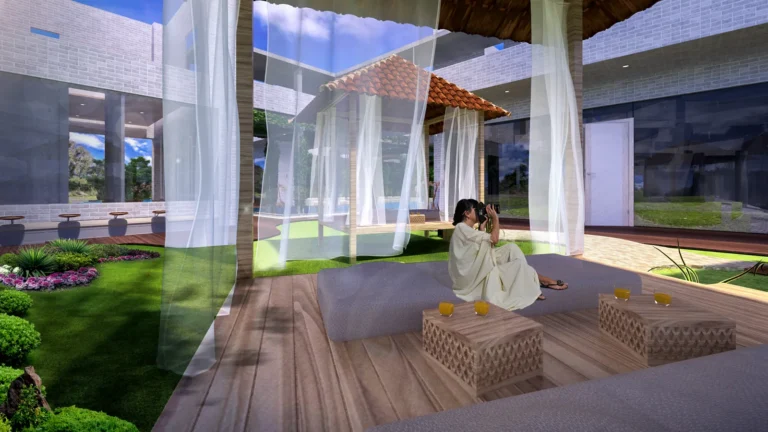
The spa interior below was delivered by Kenania in Cyberjaya, Malaysia. It is not a 2026 project, but it is the clearest built example we have of three of the shifts above: quiet materials over statement ones, lighting treated as structure, and a warm, darker palette that still reads as calm rather than heavy.
Frequently Asked Questions
Which interior design trends 2026 are worth the budget?
Lighting and material quality, in that order. A well-planned lighting scheme changes how every other decision reads and costs far less than replacing finishes later. Statement furniture is the easiest line to cut and the least missed.
Are wellness claims in interiors measurable yet?
Increasingly, yes — daylight autonomy, acoustic performance and air-change rates are numbers you can specify and test rather than adjectives. The WELL Building Standard is the framework most commercial clients now reference.
How far ahead should I plan for lead times?
Treat anything imported as a design constraint, not a procurement detail. Choose the long-lead items — stone, custom joinery, decorative lighting — during concept, and keep a specified alternate for each one.
Related reading
- Jewellery Shop Interior Design, Kuala Lumpur — these principles on a retail project
- Modern Reception Design, Dubai — commercial front-of-house
- Interior design services — how to brief a project
Go deeper on the decisions behind the trends
- Space planning in interior design: how a floor plan gets decided — the plan work that has to happen before any trend applies
- Specifying interior finishes for Gulf climate — material choices that hold up in Gulf conditions
- Interior design cost: what actually drives the number — what each of these decisions does to the budget
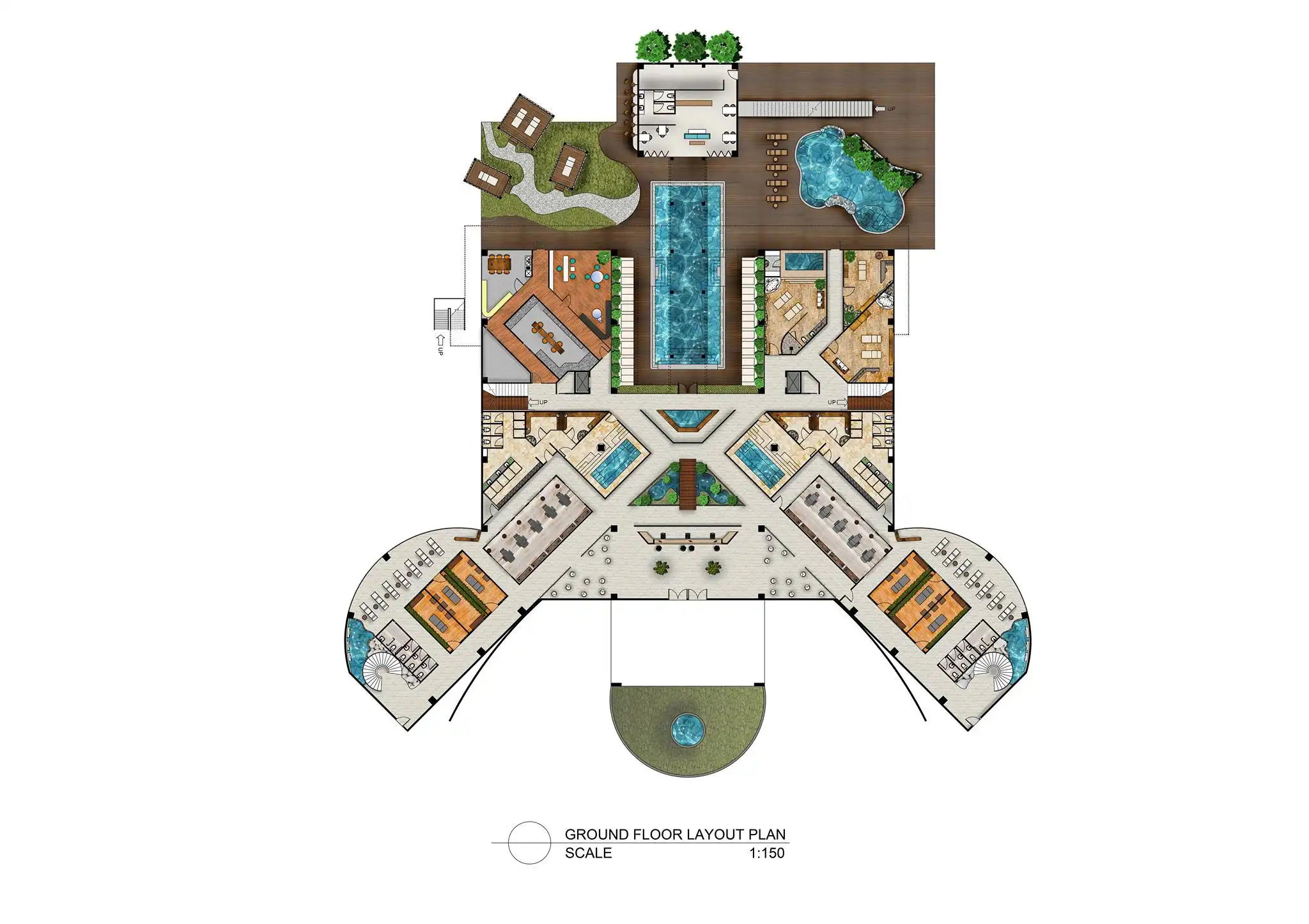
- Spa interior design for a wellness resort — a wellness project where sequence mattered more than style
Ready to start? Send Kenania a photo, a plan or a short brief on WhatsApp.
Chat on WhatsApp