AI-Powered Wood Sculpting: The Future of Furniture Design
AI wood sculpting furniture stops being a gimmick when the file that leaves the studio is the file that runs the CNC machine.
Table of Contents
AI-Powered Wood Sculpting
AI wood sculpting furniture is where generative form-finding meets a five-axis carving head. The combination has changed what a custom timber piece costs and how long it takes — the eight shifts below are the ones that actually affect a project brief.
Carving timber into complex, flowing forms used to be limited by how many hours a skilled craftsman could spend at the bench. AI-assisted design paired with multi-axis CNC carving has changed the economics of that work, and it is starting to show up in furniture and interior joinery that would have been unbuildable a decade ago.
Have a project like this in mind? Message Kenania directly on WhatsApp.
Chat on WhatsApp1. What AI-Powered Wood Sculpting Actually Means
Two separate technologies are usually bundled under this label. The first is generative design software that proposes and refines geometry against constraints such as strength, material volume or a stated aesthetic. The second is the CNC machinery that cuts it. Neither is new on its own; what is new is how quickly a designer can now move between the two.
2. From Sketch to Toolpath
A modern workflow starts with a rough 3D form, lets the software generate variations, and then converts the chosen one into machine toolpaths automatically. What used to take a specialist several days of manual CAM programming can now be a same-day operation, which means designers can afford to test three forms instead of committing to one.
3. Forms That Were Never Practical Before
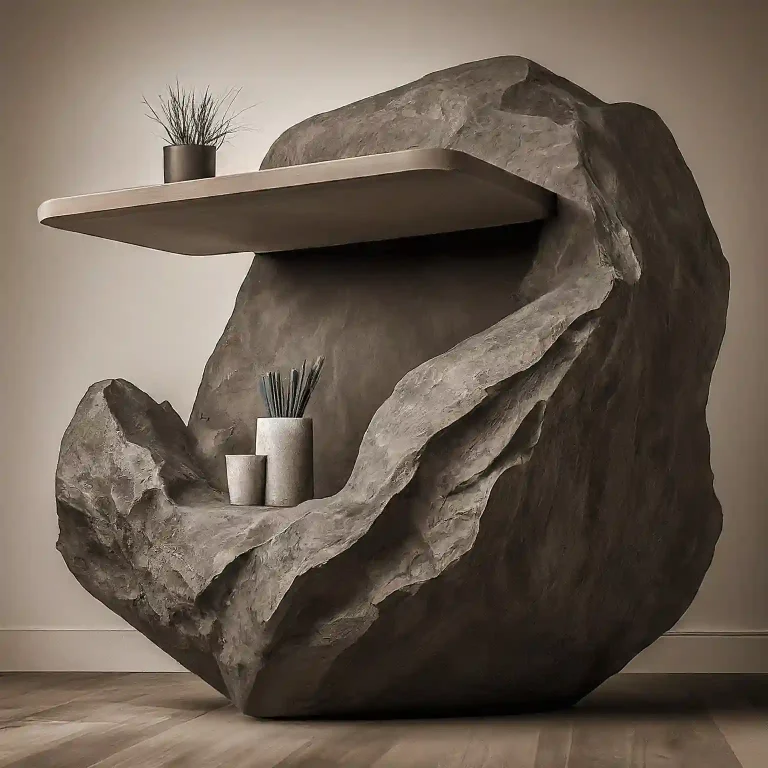
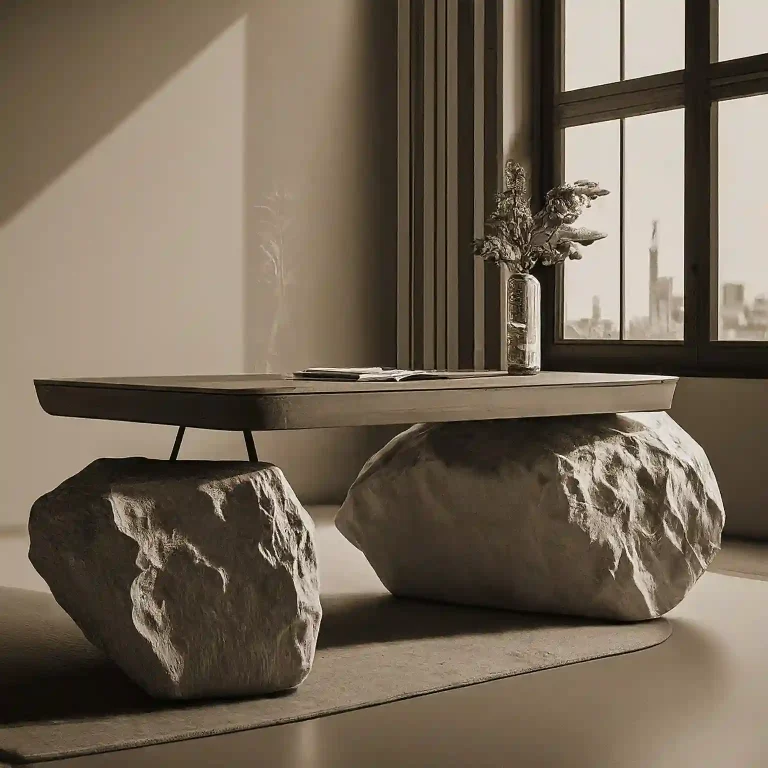
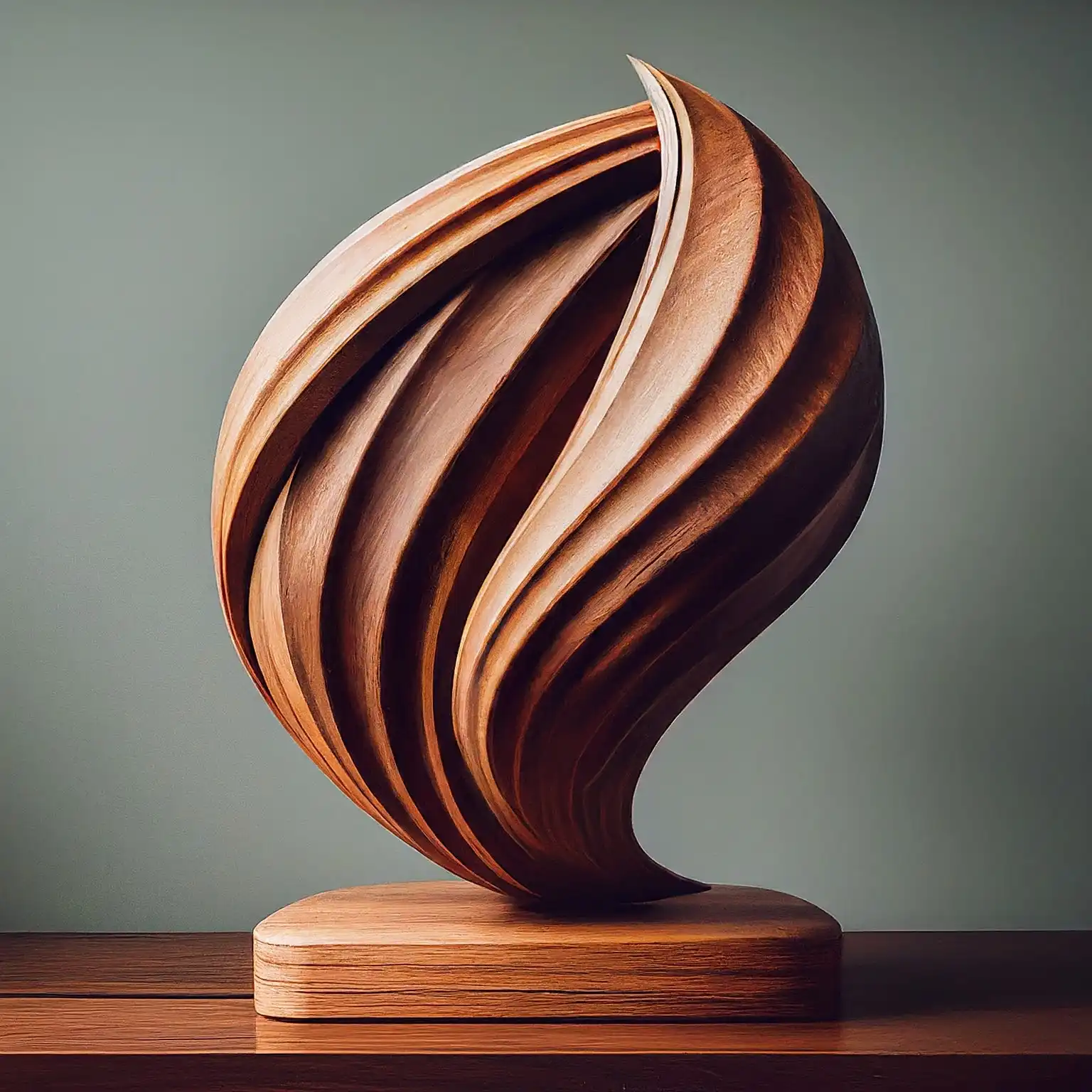
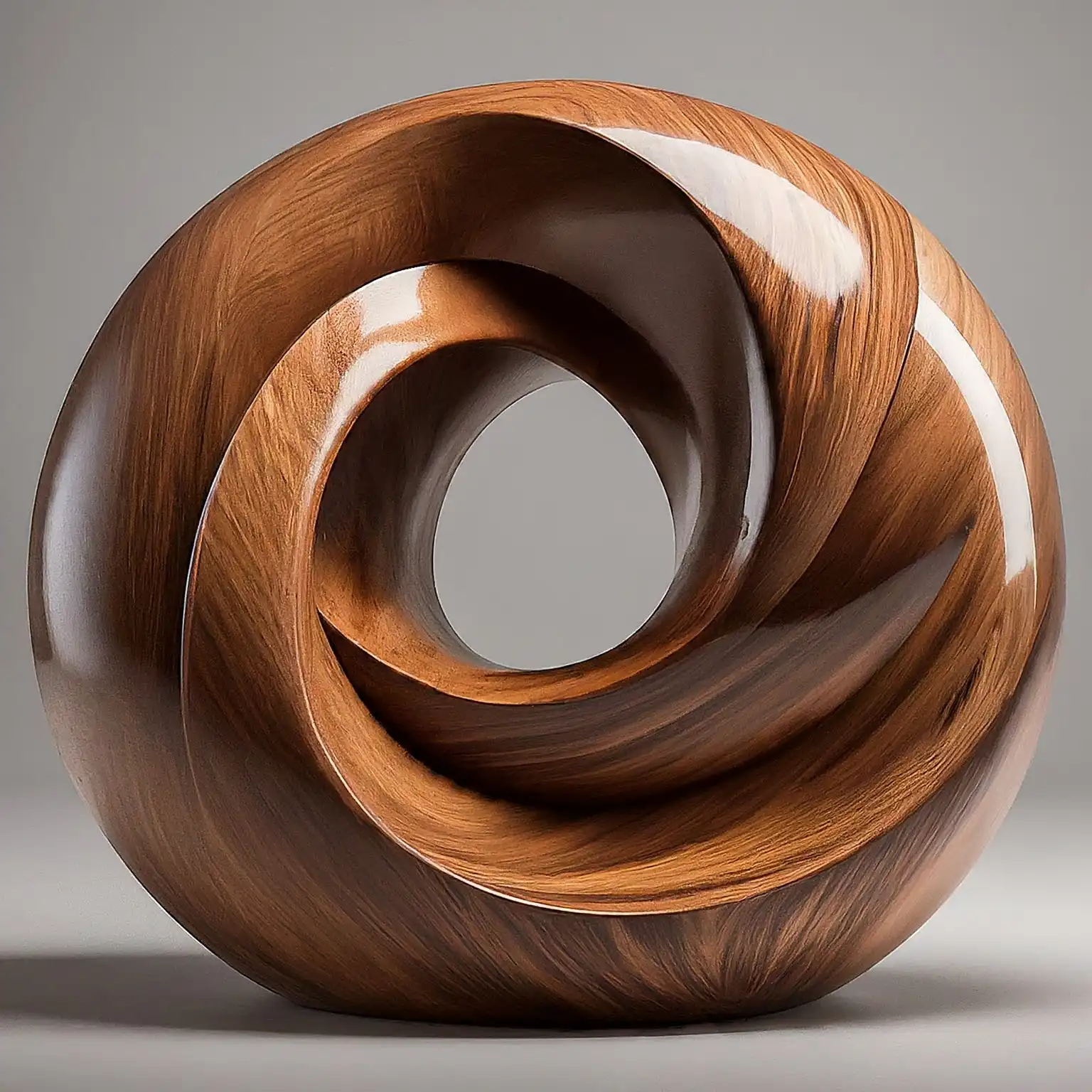
Continuous organic surfaces, parametric ribbing and gradient textures across a single panel are all straightforward once the toolpath is generated. These are exactly the details that make a reception desk or a feature wall look bespoke, and they are now within reach of ordinary project budgets rather than only flagship commissions.
4. Material Efficiency and Waste Reduction
Nesting algorithms lay out cutting patterns to use as much of each board as possible, and generative models can remove material from areas that carry no structural load. On a large joinery package that difference is measurable in both cost and in timber saved — a point worth raising with clients who care about sustainability.
5. Where the Craftsman Still Wins
Machines do not read grain. A skilled maker chooses which face of a board shows, orients figure to catch the light, and knows when a piece of timber will move after it is cut. Every project we have run still depends on that judgement at the selection stage, and no software has replaced it.
6. Cost, Lead Time and Batch Size
CNC carving front-loads cost into setup and programming, then produces additional units cheaply. For a one-off piece hand carving can still be competitive; for a run of identical elements across a hotel or retail rollout, machine carving is usually faster and more consistent. Work out where that crossover sits before choosing a method.
7. Finishing Is Still a Manual Craft
A machine leaves tool marks. Sanding, grain filling, staining and oiling remain hand processes, and they determine whether the finished piece looks premium or looks like a prototype. Budget realistic time for finishing — it is frequently underestimated and it is where quality is won or lost.
8. What This Means for Interior Projects
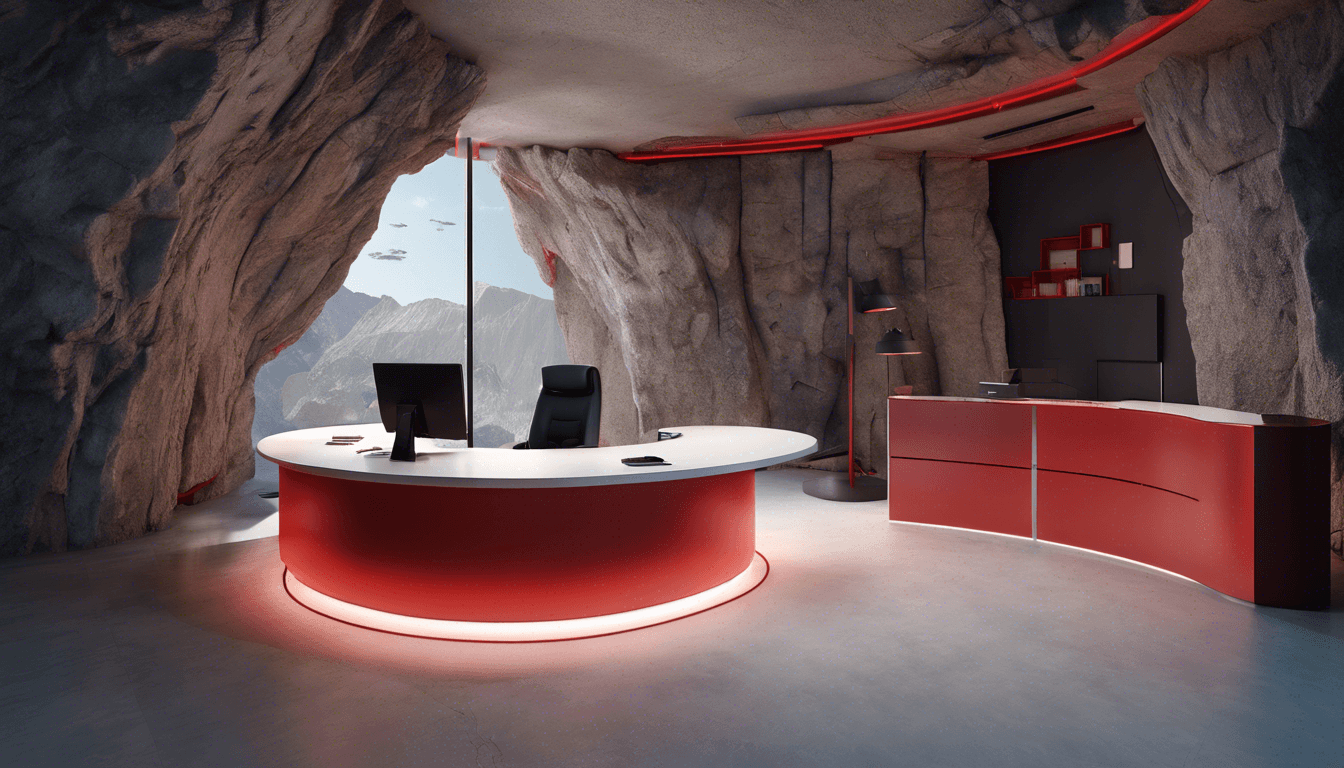
For clients this technology mainly buys distinctiveness. Bespoke carved elements that once sat outside the budget are now viable as a feature piece in a lobby, a bar front or a boardroom table, letting a space carry a signature detail without a bespoke-everything budget.
Questions about cost, timing or the next step? Ask Kenania on WhatsApp.
Chat on WhatsAppConclusion
AI-powered wood sculpting has not replaced craft; it has removed the repetitive part of it and left the judgement calls with the designer and the maker. Used well, it lets a project carry genuinely custom joinery at a sensible cost. To discuss bespoke furniture or joinery for a project, explore our design services or talk to our team.




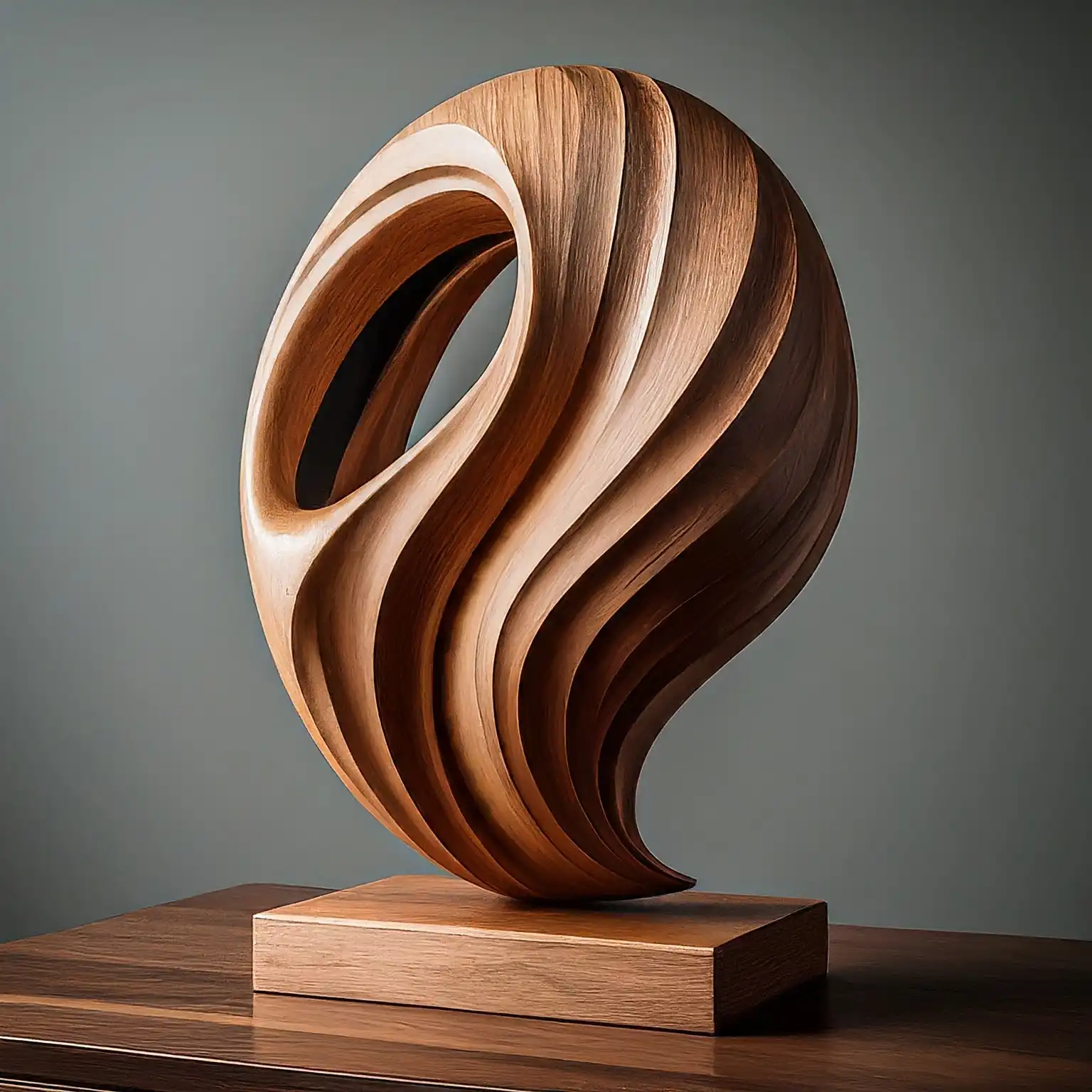
AI Wood Sculpting Furniture — Further Views
Frequently Asked Questions
Is AI wood sculpting furniture more expensive than traditional joinery?
For a one-off, usually yes — the setup, the toolpath work and the material block cost more than a flat-panel build. For anything past roughly five units the economics invert, because the carving time per piece stops changing while hand-carving time never does.
Does it replace the craftsman?
No, and the article above is explicit about it. The machine removes the repetitive roughing pass. Reading the grain, deciding where a curve should break, and finishing the surface are still judgement calls made by hand.
What timber works best for carved forms?
Tight, even-grained species — European oak, ash, walnut — cut cleanly at high spindle speeds and take a hand finish afterwards. Open-grained or heavily figured stock fights the tool and tears on tight radii. Specify certified stock; FSC chain-of-custody is the label most clients ask for.
Can Kenania design a carved piece for my project?
Yes — we produce the form study, the fabrication model and the drawings, then work with a CNC joiner near the project. Send us the space and the brief to get a scope.
Related reading
- How to Design an AI-Inspired Office Desk — applying carved forms to furniture
- AI Desk Design: Generating Fresh Ideas — the ideation method
- Interior design services — bespoke joinery within a full fit-out
Related reading
- Specifying interior finishes for Gulf climate — how timber behaves under Gulf heat and humidity
- Office fit-out design that still works in year three — specifying furniture for a working office
More ai wood sculpting furniture projects and services
More ai wood sculpting furniture work from Kenania, and the services behind it. Every ai wood sculpting furniture project we publish carries its drawings, so the reasoning behind each ai wood sculpting furniture decision can be checked:
- How we use AI in interior design
- Interior design trends 2026
- Architecture and interior design services
Reference: for the standards behind this ai wood sculpting furniture work, see Stanford AI Index.
Ready to start? Send Kenania a photo, a plan or a short brief on WhatsApp.
Chat on WhatsApp